September 21, 2026
Maintaining your home's plumbing system is essential for preventing costly water damage and keeping everything running smoothly. While routine maintenance or using a drain cleaner can handle minor clogs, aging infrastructure often requires a more permanent solution. According to House Logic, you should have your drain pipes replaced if they are over 40 years old. Fortunately, full replacement no longer automatically means tearing up your yard or tearing down walls. Modern pipe restoration methods allow homeowners to revitalize their aging systems efficiently and affordably.
Understanding Trenchless Drain Lining
Definition and Explanation
Trenchless drain lining is a modern technique used by professional drain cleaners for repairing and renovating existing pipeline systems without the need for extensive digging. Often referred to as cured-in-place pipe (CIPP), it involves inserting a flexible liner saturated with resin into the damaged pipe. Once in place, the liner adheres to the surrounding pipe walls and hardens, effectively forming a new pipe within the old one. This method is particularly advantageous when dealing with complex underground systems where traditional excavation would be disruptive. The non-intrusive nature of trenchless technology minimizes environmental impact and conserves landscaping.
The technique works efficiently on different types and sizes of pipes, making it versatile for various applications. Residential, commercial, and industrial sites alike can benefit from this advanced method. Furthermore, trenchless technology is not geographically restricted, ensuring that repairs can occur in diverse urban and rural settings. According to IBISWorld, the market size of the septic, drain, and sewer cleaning services industry in the U.S. has grown 3.1% per year on average between 2017 and 2022. This growth indicates a rising trend in the adoption of modern trenchless solutions over traditional methods.
Underlying Principles
The success of trenchless technology can largely be attributed to its foundational principles, including the concept of minimal invasion and structural reinforcement. Trenchless drain lining revolutionizes repair by circumventing the need for traditional trench digging. This reduction in surface disruption is accomplished using a liner and resin combination to restore the pipe's integrity. Moreover, the underlying principle of 'pipe within a pipe' ensures reliability as the new pipe provides a robust, leak-proof solution fully adhered to the existing structure. This approach conserves both time and resources.
Trenchless repair techniques focus on enhancing efficiency while mitigating environmental impact. By avoiding extensive excavation, trenchless drain lining minimizes the carbon footprint and ecological disturbance associated with traditional methods. Halting continuous road closures and eliminating the need for heavy machinery lead to decreased emissions and pollution. The success of these principles is documented in the growing preference for trenchless technologies across sectors. Its ability to address complex pipeline issues efficiently positions it as a standout solution in infrastructure maintenance.
Benefits of Trenchless Drain Lining
Cost Efficiency
Trenchless drain lining performed by a professional drain cleaner offers considerable cost savings compared to traditional excavation methods. Since there is no need for digging up and replacing sections of the drainage system, labor and material costs are significantly reduced. Additionally, the reduction in expenses extends to indirect costs, such as repairing landscaping or urban infrastructure post-repair. The investment in minimal disruption techniques often translates to long-term savings by avoiding recurrent repair costs. Customers can thus enjoy effective solutions without financial burdens from additional, unforeseen expenses.
The elimination of extensive excavations allows clients to allocate funds to other priorities or improvements. Business operations, for instance, can proceed without costly downtime. In residential applications, property owners need not worry about the costs of property repairs post-excavation. The cost-effective nature of trenchless techniques aligns with modern budgeting priorities while maintaining quality standards. Such budget-friendly practices attract a wide range of customers, fostering broader acceptance and implementation of this modern method.
Moreover, the higher quality materials and techniques used in trenchless lining ensure durable and reliable performance. This long lifespan defers the need for further costly interventions, reinforcing the cost-efficiency appeal. Clients benefit from fewer disruptions, longer intervals between repairs, and a comprehensive solution that stands the test of time. As more households, businesses, and municipalities recognize these financial benefits, the shift toward trenchless solutions becomes more pronounced. This paradigm shift marks an evolution in cost management strategies crucial to modern infrastructure maintenance.
Time-Saving Aspects
The trenchless approach significantly reduces the time required for drain and pipe repairs. Traditional methods demand prolonged dig-and-replace operations that can stretch over days, if not weeks. In contrast, the time needed to prepare, insert, cure, and finish lining with the trenchless method is remarkably less. Completion times typically range from a few hours to a day, depending on the project scope. Consequently, this time efficiency translates into less disruption for homeowners, businesses, and public services.
Additionally, the streamlined preparation and execution associated with trenchless technology saves time at every stage of the repair. Preliminary assessments using advanced technology result in precise and quicker diagnostics, eliminating any guesswork. The no-dig principle further eliminates the complexity of handling heavy equipment and complicated logistics. This pragmatic approach allows for compliance with tight project timelines, helpful for businesses and critical infrastructure. Thus, the focus on time efficiency extends beyond just repair; it encompasses holistic project management.
The Process of Trenchless Drain Lining
Initial Inspection and Assessment
Before any trenchless drain lining project commences, the initial inspection and assessment are crucial. Utilizing advanced technologies such as CCTV inspections provides comprehensive visuals of the pipe's interior condition. This step involves identifying structural integrity issues, blockages, root intrusions, and other potential problems. By accurately diagnosing these conditions, technicians can formulate a precise repair plan. This preliminary stage is instrumental in determining the overall feasibility and success of the trenchless method.
Professional evaluations by a drain cleaner ensure that trenchless solutions are applicable and will address core issues effectively. Detailed inspection reports enable tailored strategies that enhance project accuracy and execution. Addressing environmental considerations and compliance with local regulations happens during this stage. Coordination between stakeholders ensures that all perspectives are accounted for in the planning phase. The assessment sets a strong foundation for every subsequent stage of the trenchless repair process.
Cleaning and Preparation
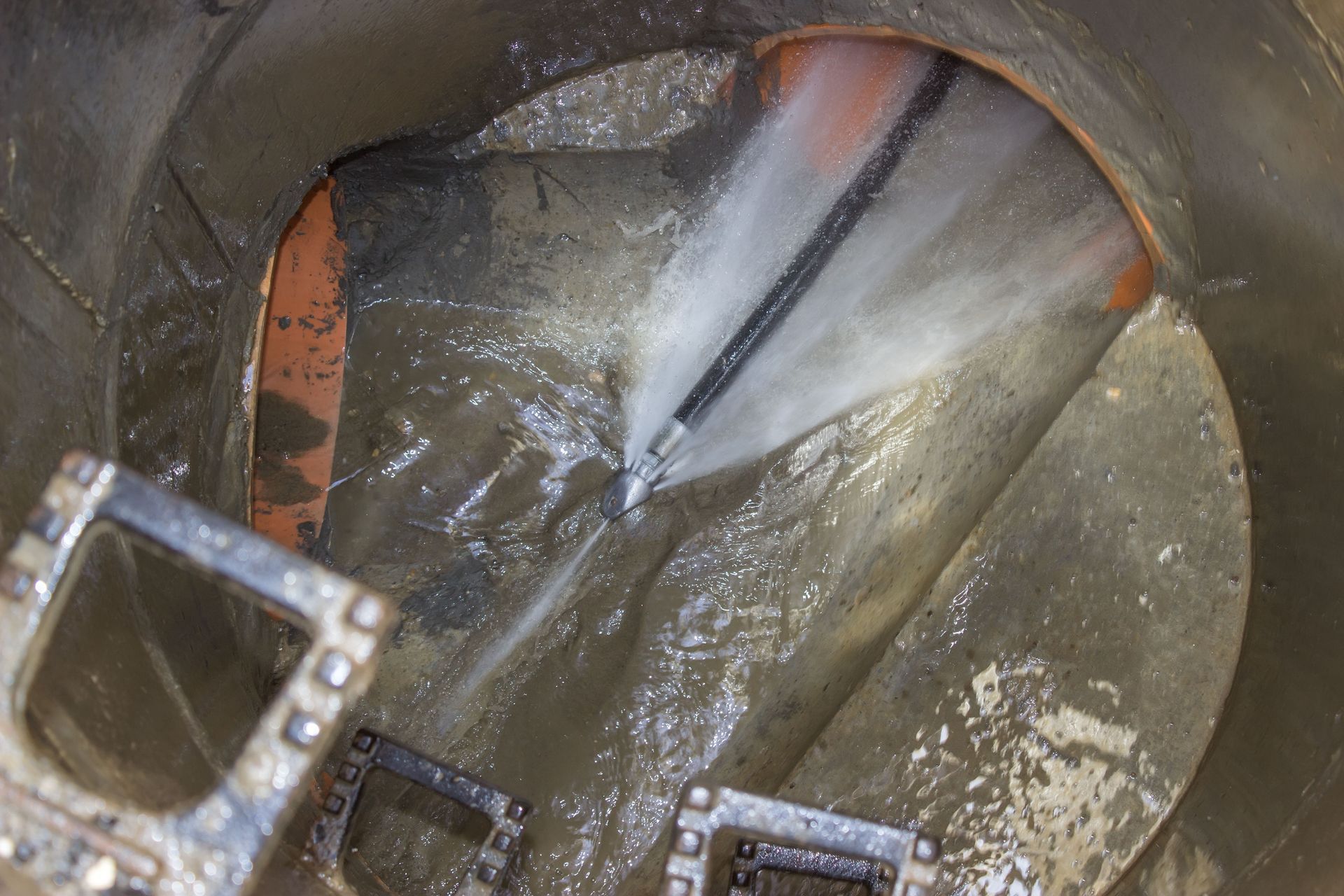
Following inspection, pipe cleaning and preparation are tantamount to the successful implementation of the trenchless method. Ridding the pipe of debris, grease, roots, and obstructions is necessary to ensure liner adhesion and effectiveness. Tools such as high-pressure water jets and mechanical equipment aid in this cleaning process. Technicians may also deploy descaling techniques to tackle stubborn accumulations strategically. This diligent preparation guarantees that the pipe's condition is optimal for successful lining installation.
Thorough cleaning is notably crucial as any remaining debris could compromise liner adhesion or curing. Uneven surfaces or lingering obstructions may jeopardize the new liner's integrity or effectiveness. Measurements taken after cleaning confirm the pipe's diameter and condition. This preparation stage embodies preventative measures to mitigate potential complications, harnessing the effectiveness of the trenchless approach. The meticulous nature of this phase reflects a dedication to robust, long-term repair success.
Liner Installation Techniques
Liner installation begins post-cleaning, utilizing specific techniques to insert the liner into the existing pipe structure. Depending on the pipe diameter and location, insertion could be achieved through the inversion or pull-in-place methods. The liner, impregnated with a special resin mixture, is carefully maneuvered into position to address identified defects. Inversion involves using water or air pressure, while pull-in-place relies on winches to guide the liner through the pipe. Both methods ensure that resin saturation and liner placement are precise.
The selected technique reflects the individual project's complexity, geographical conditions, and material considerations. Technicians ensure exactitude by closely monitoring liner alignment and pressure dynamics throughout insertion. Real-time adjustments are possible, maintaining the installation's integrity and minimizing unforeseen issues. This adaptability is one of the hallmarks of trenchless efficacy and success. Ensuring confidence and seamless operations necessitates thorough planning, skill, and equipment readiness during installation.
Trenchless drain lining offers a modern, efficient, and less disruptive alternative to traditional pipe repair methods. Its numerous benefits and wide array of applications make it a valuable choice for many plumbing and infrastructure projects. To get started with trenchless drain lining from a reliable drain cleaning company, reach out to Valley Sewer Company today!